 ES
 RU
 DE
 PL
 IT
 TR
 FR
 BR
 NL
 CN
 CZ
 UA
 HU
 SE
 Unlimited Downloads
 Sale
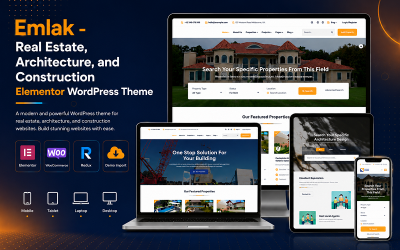






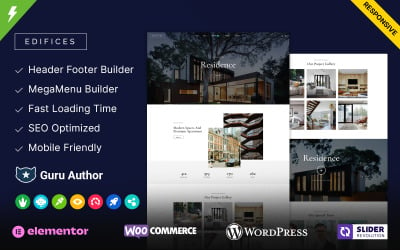
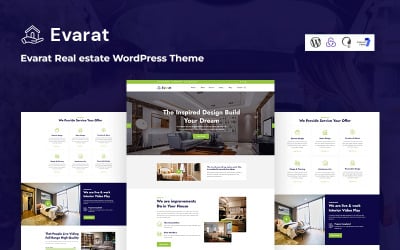
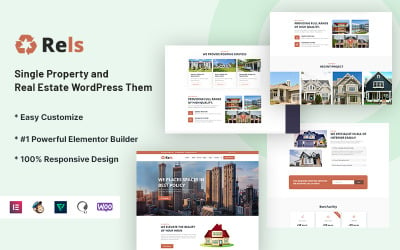
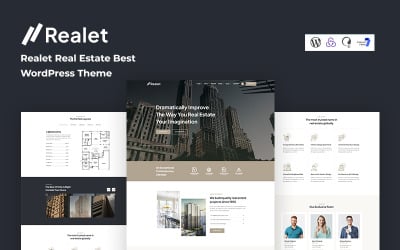


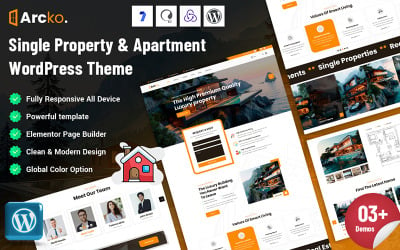

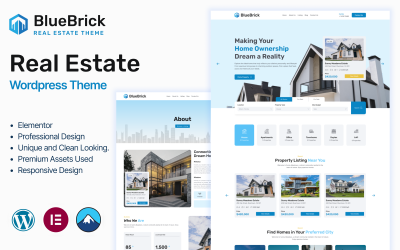


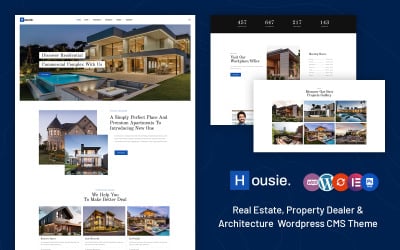



5 Best Property Management WordPress Themes & Templates 2026 2026
Top 5 Best Property Management WordPress Templates 2026
| Template Name | Price | Sales | Collections |
| Homelist - Real Estate WordPress Theme | $85 | 71 | 125 |
| Villagio - Property Booking WordPress Theme | $75 | 85 | 127 |
| Estadoz - Real Estate Agency WordPress Theme | $75 | 73 | 61 |
| Oceanica - Hotel Booking WordPress Theme | $75 | 62 | 93 |
| Emilia Warren - Real Estate WordPress Theme | $75 | 76 | 88 |
Great Video Tutorial for Best Property Rental WordPress Themes
Oceanica is a right way to create an elegant online presence of the hotel establishment and serve the needs of modern travellers
Property Management WordPress Themes FAQ
Which Real Estate Management WordPress theme is intended to be used for multipurpose sites?
The collection of multipurpose themes expands and grows all the time. Such digital products as Monstroid and Monstroid2 are the top WordPress themes that are ready to be used for a range of niche-specific sites.
What are WordPress child themes?
A child theme is a WordPress theme that inherits its functionality from another WordPress theme, the parent theme. One of the most outstanding examples of WordPress themes featuring a rich collection of child themes is Monstroid2.
How does a Estate Management WordPress theme install?
- Login to your WordPress admin area.
- Next, click on Appearance >> Themes.
- Look for the needed theme using an advanced search.
- Next to the theme's preview, there is an install button.
- As soon as the theme is installed, activate it.
How to change Property Management WordPress theme name?
Take the following steps in order to rename 'themeXXXXX' to custom name in WordPress.
- Log into your WordPress admin panel.
- Navigate to Appearance > Editor
- in the Stylesheet (style.css) file change Theme Name:themeXXXXX to your name.
How do Property Management WordPress themes work?
WordPress theme template files are written in PHP and HTML, and end in the file extension .php. All of your blog's unique information (including your site name, your blog posts, and every single comment) is stored in a MySQL database. That information is retrieved from the database using the programming language PHP. Then, the retrieved information is displayed via your theme's template files, using HTML and CSS.